
The Scoop on Seasonal Ice Cream

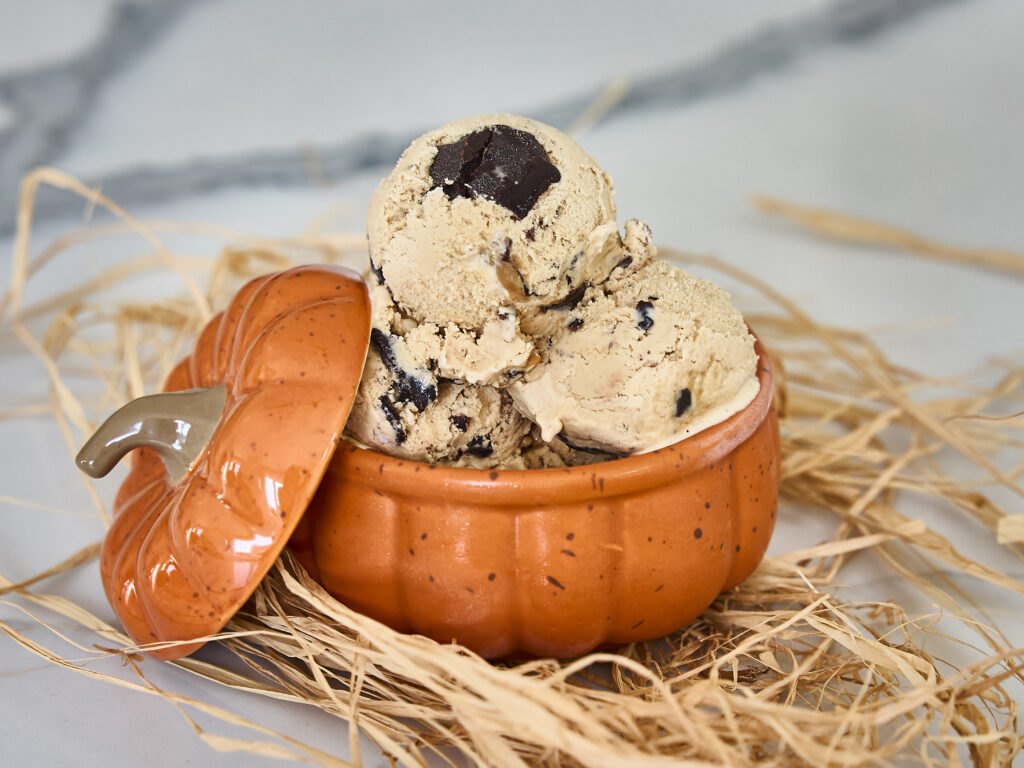
It’s a Sunday afternoon and you’re doing your usual stroll down the ice cream aisle. You’re seeking out your favorites: Ben & Jerry’s Half-Baked, Mayfield Butter Pecan, Trader Joe’s Speculoos Cookie Butter. The list is admittedly long.
Suddenly, something new catches your eye. Pumpkin Cheesecake Ice Cream? Sure, why not. You’re feeling festive. It’s PSL (pumpkin spice latte) season after all!
Why seasonal offerings attract attention
A year-round favorite comes with a comforting promise: You can always come back for it.
A seasonal offering adds urgency. “I’ll try it sometime” becomes “I should grab it before it’s gone.”
In our opinion, that’s the appeal of limited-time offerings (LTO). The time constraint creates a demand. Take Chick-fil-A’s seasonal milkshakes for example. You want to try their S’mores Milkshake before it’s off the menu.
Seasonal flavors can also tap into nostalgia and anticipation. Think of the excitement around pumpkin spice or eggnog flavored products each fall. Starbucks has basically revolutionized the meaning of “pumpkin spice season” with their iconic fall latte. Its return becomes part of the celebration every year.
For ice cream brands, that combination offers an opportunity to introduce something fresh and innovative while connecting with traditions shoppers already love. It’s the trend we call “newstalgia” in action.
But behind that seasonal scoop is a strategy and plenty of work.
Why do so much work for something temporary?
Developing recipes, sourcing ingredients, designing packaging, and coordinating production takes effort. Short runs can also cost more per carton because development and setup costs are spread across fewer units.
So why bother? Well, we see LTOs doing several jobs for brands:
- It gives brands room to experiment and test consumer reception without committing to a permanent addition.
- For the funkier flavors, it can generate PR buzz and spotlight the brand’s innovation. Graeter’s Skyline Chili and Van Leewan’s Kraft Mac & Cheese ice cream are good examples of this.
- Generally, it helps shine a light on the rest of the brand’s portfolio. If a seasonal flavor catches your eye in a brand you don’t usually buy, you may be more inclined to peruse the rest of their offerings.
What earns a permanent spot?
A successful launch doesn’t automatically mean a flavor belongs on shelves year-round. A seasonal flavor like Peppermint Bark Moose Tracks may shine during the holidays without attracting the same interest midsummer.
For a permanent addition, brands look beyond initial excitement. Will shoppers buy it again? Does the flavor appeal outside its original season? Does it offer something unique from existing products?
Practical considerations matter too. Ingredients need to be consistently available, production must be manageable, and sales need to justify the freezer space.
Sometimes, the right outcome is a permanent place in the lineup. Other times, it’s a welcome return next season. Either way, an LTO gives shoppers a reason to pause, explore, and enjoy something different.